
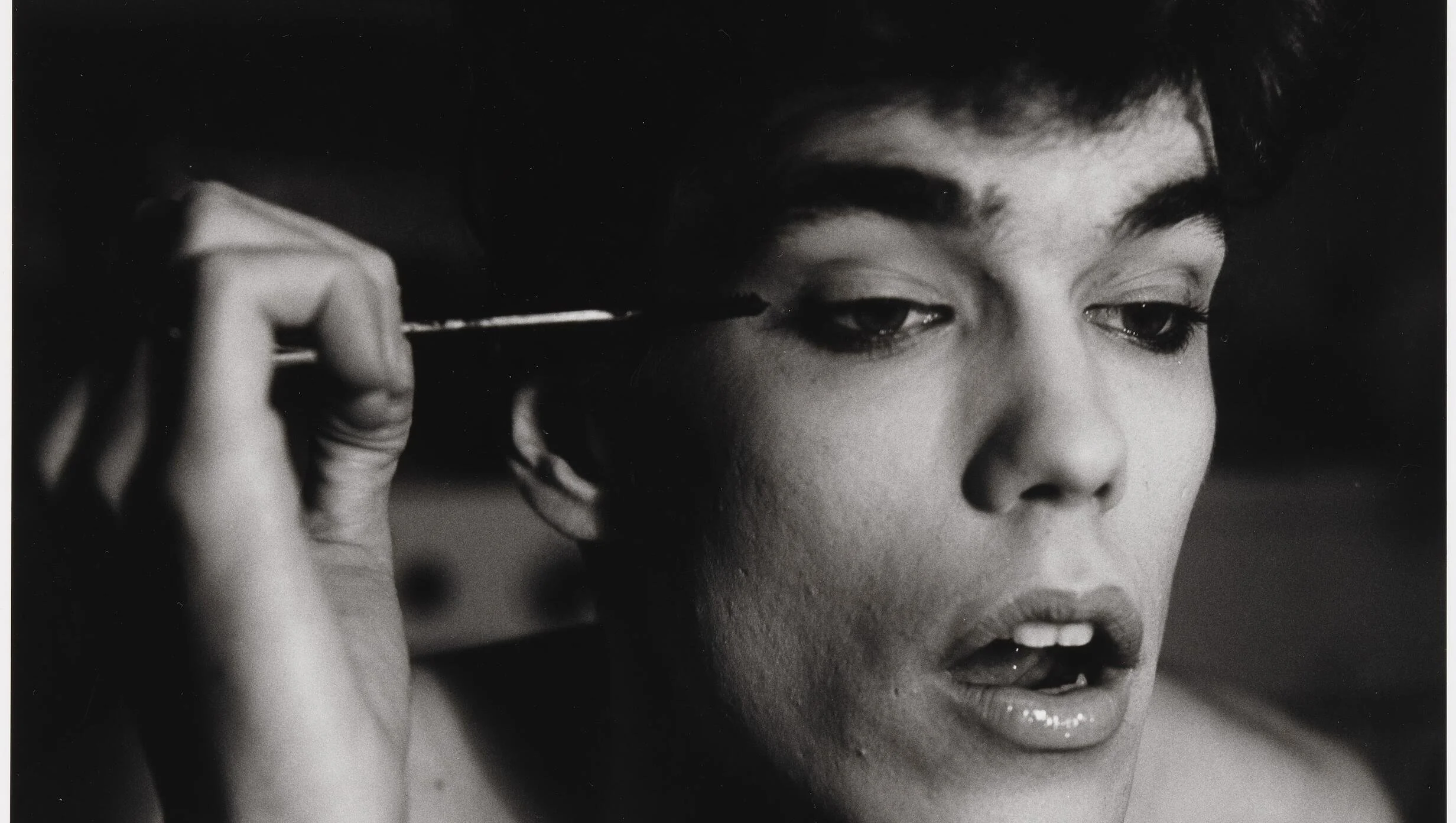
Peter Hujar, David Brintzenhofe Applying Makeup (II), 1982© 1987 The Peter Hujar Archive LLC; Courtesy Pace/MacGill Gallery, New York and Fraenkel Gallery, San Francisco
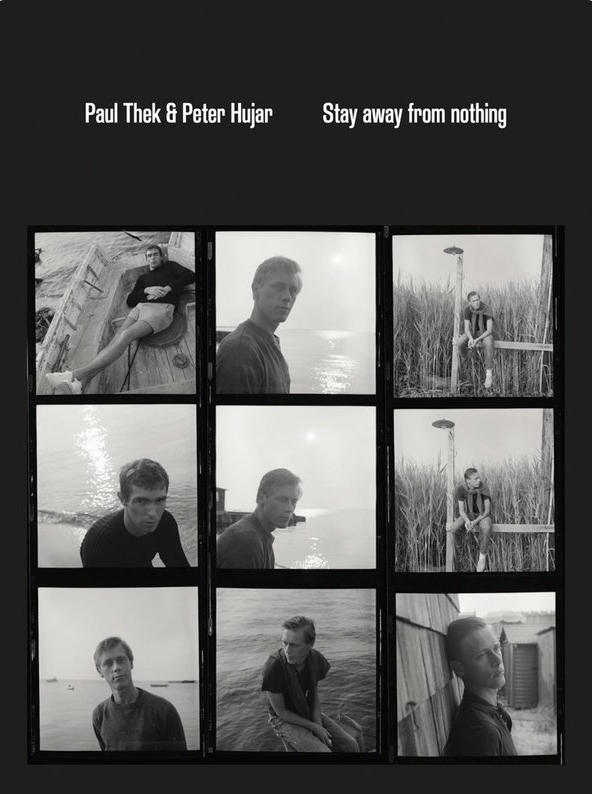
A review of Stay Away from Nothing, written by Joanna Lucaciu.
Stay Away from Nothing is a monument to what cannot be recovered, built on a compelling dynamic between letting go and holding on, unfolding a story that was never told before. Both Thek (1933 - 1988) and Hujar (1934 - 1987) built their careers around impermanence: in Thek’s case, his sculptures were made of wax, meat and organic matter, while in contrast Hujar’s photographs acted as witnesses to what was already slipping away.
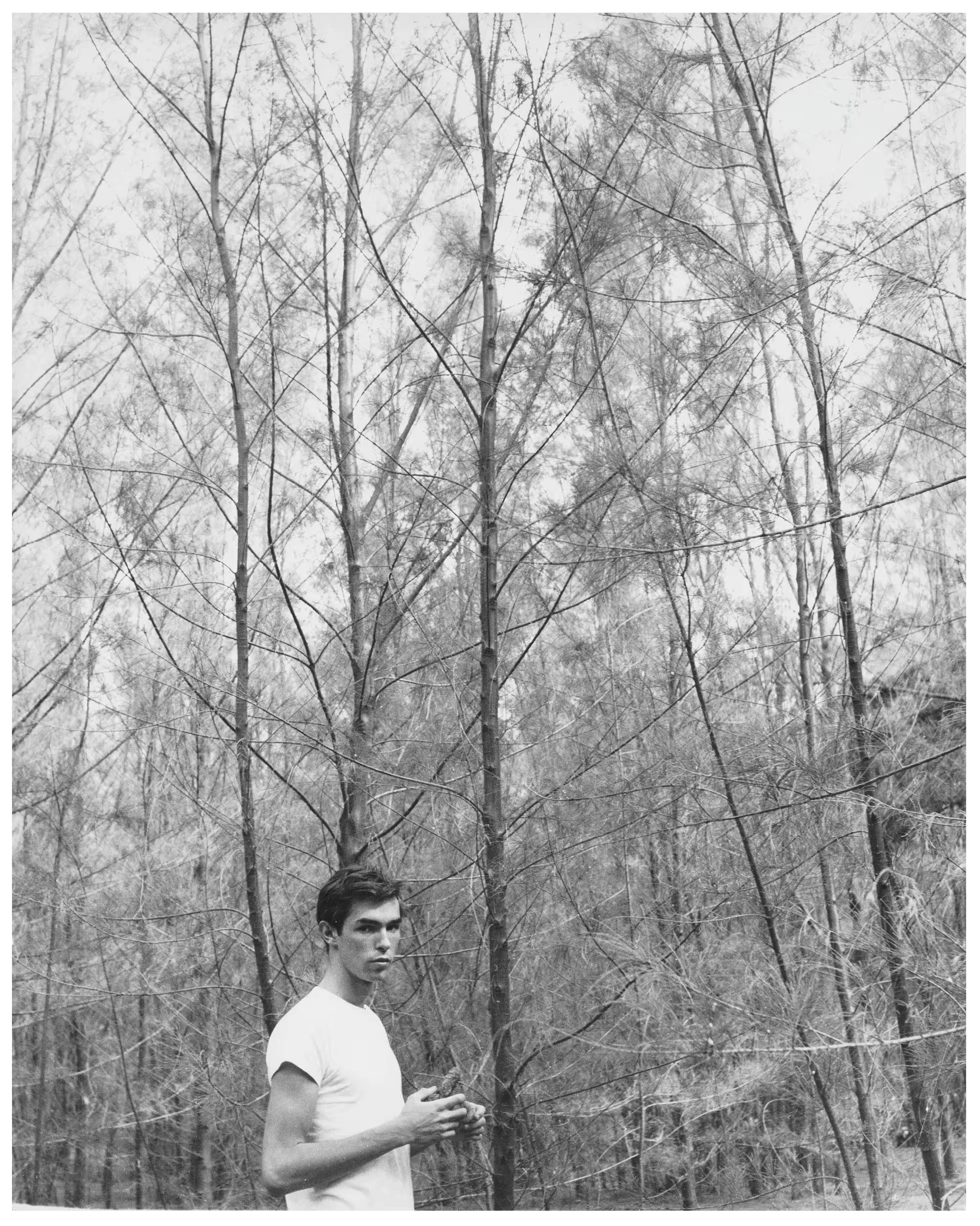
Coral Gables, Florida, 1956. Courtesy of Primary Information. © 2025 The Peter Hujar Archive / Artists Rights Society (ARS), New York
Peter Hujar was an American photographer best known for his stark, intimate black & white portraits of the East Village’s art scene, showing a raw and unguarded perspective. ‘I photograph those who push themselves to any extreme, and people who cling to the freedom to be themselves.’^1
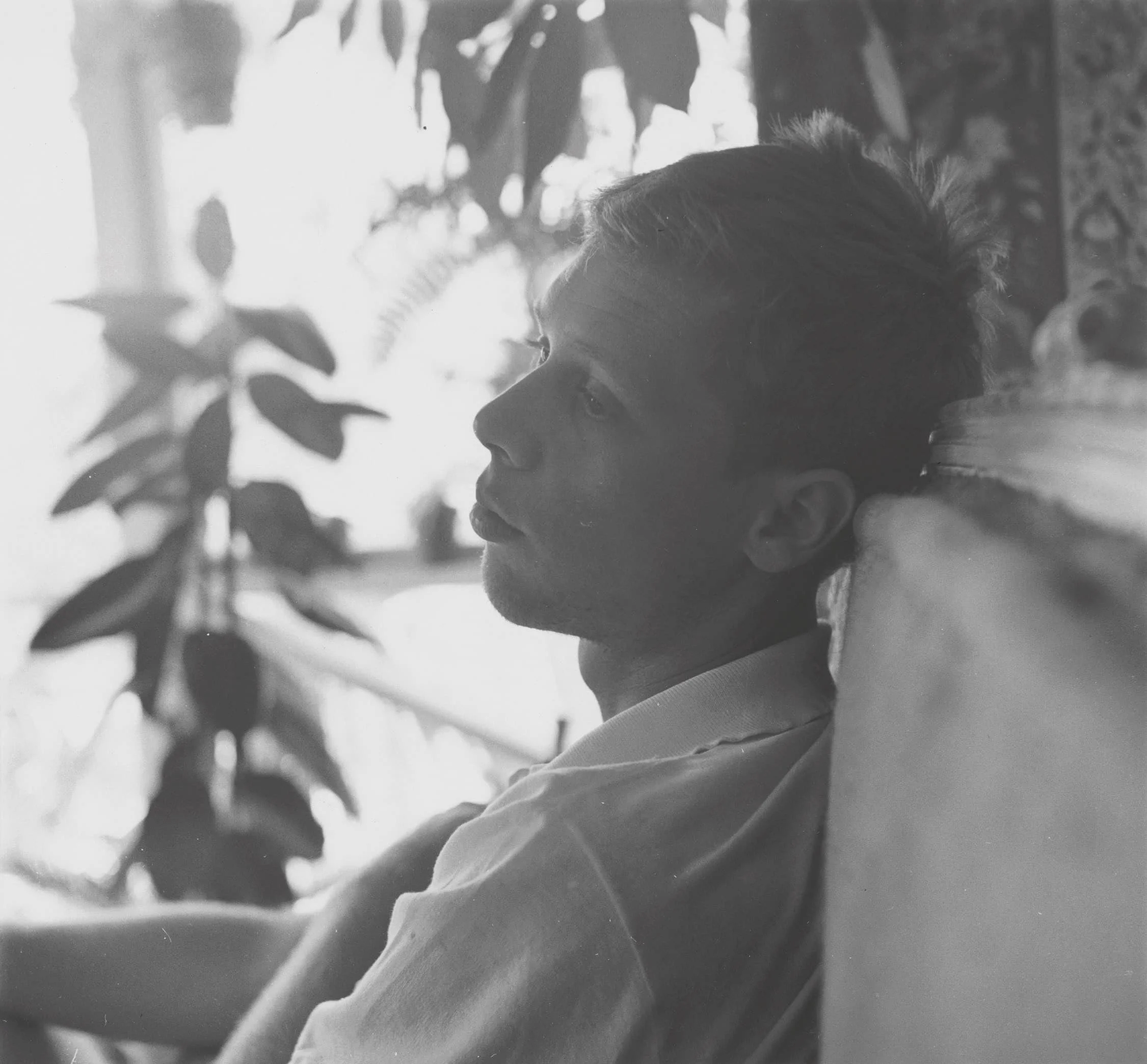
Coral Gables, Florida, 1956. Courtesy of Primary Information. © 2025 The Peter Hujar Archive / Artists Rights Society (ARS), New York
Paul Thek, also American, was best known for his wax sculptures resembling meat and flesh, working across sculpture, painting and installations, but often destroying or losing pieces which contributed to his obscurity in the art world. Both were part of the downtown New York avant-garde, mixing the 1960s art world scene and the grittier East Village of the late 1970s - 1980s. Part of a larger community that included personalities such as Fran Lebowitz, Susan Sontag, Andy Warhol, Ann Wilson, they lived a tumultuous life together and apart, which comes across in Thek’s letters and Hujar’s photographs.
The current volume gathers Thek’s letters starting with his voyage to the Netherlands in 1962, accompanied by Hujar’s photographs from as early as 1956 when the two met and spent time together at length. Due to uncertain travel plans that defined both men’s lives (and a tendency to lose his [Thek’s] belongings), we only see Thek’s letters, Hujar’s voice staying absent throughout the book. However, his voice is replaced by his photographs, giving them an unexpected weight as documents; ephemeral objects serve as primary artistic documentation, rather than simple biographical material.
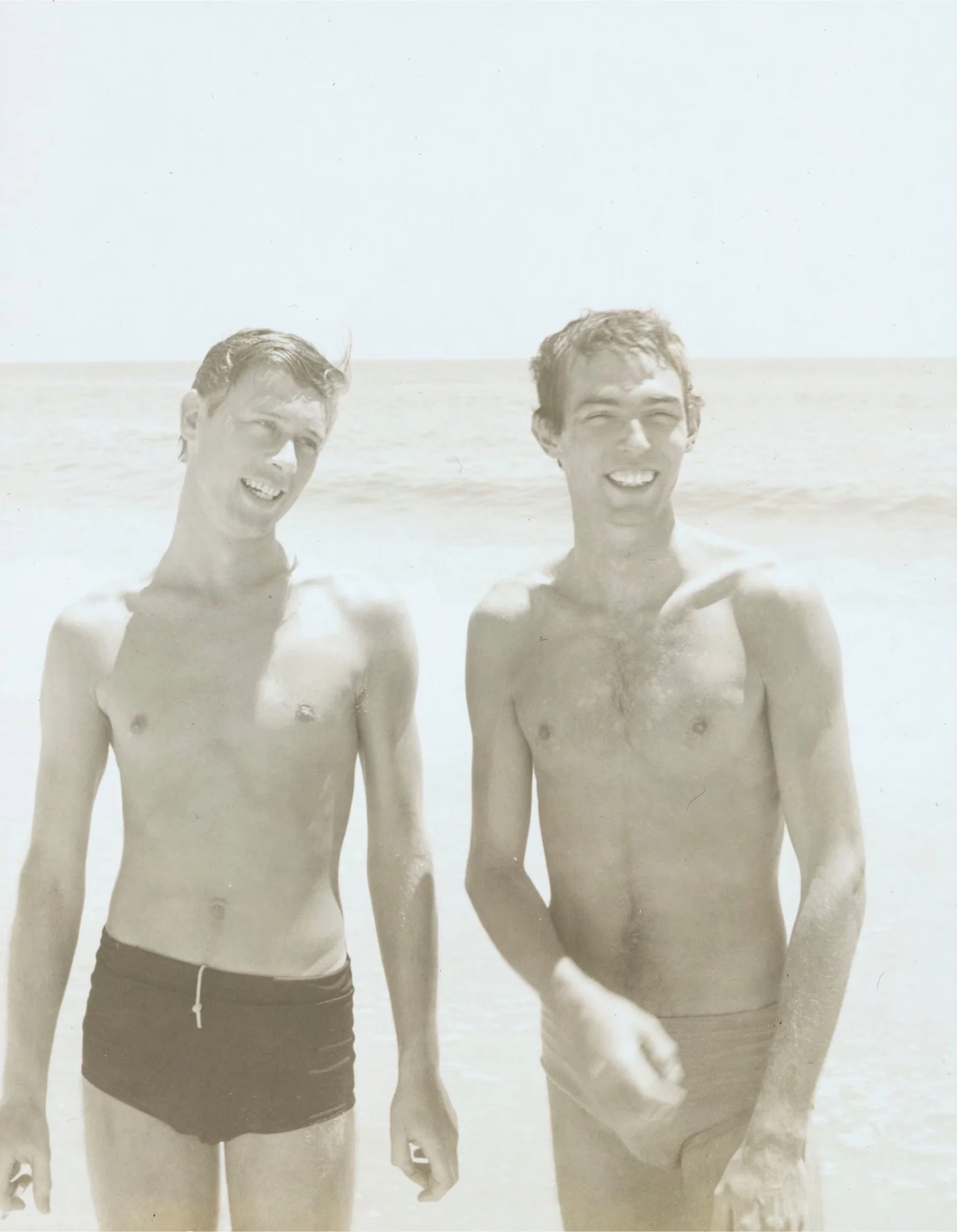
Fire Island, New York, 1961. Courtesy of Primary Information. © 2025 The Peter Hujar Archive / Artists Rights Society (ARS), New York
Francis Schichtel and Primary Information’s decision to let these letters and photographs stand on their own is a bold editorial choice: there are no footnotes and explanations until we reach Andrew Durbin’s words at the end of the book, its lateness only sharpens how deliberately spare the rest of the book has been. We get to know a chatty Thek, somewhat financially anxious, but always romantic - affected by the beauty in Van Gogh’s and Rembrandt’s paintings, and also by the beauty of the people he meets during his travels. Little interactions he tells Hujar about, bridging a geographical gap and bringing him closer to him. While Hujar was more of an introvert (at least in comparison with Thek), we see roll after roll that his lost letters and the words that no longer exist are replaced by the emotion in his photography - trips to Italy, New York and quiet glimpses of a blooming relationship. There is something quite moving about a book that refuses to offer a conclusion. Stay Away from Nothing allows the story to remain fragmented and unfinished, unreliable, but emotionally precise. The past survives in an unexpected form.
Both Thek and Hujar were mostly overlooked during their lifetimes - sure, they were part of a close-knit community and were always working on something, but there was little critical acclaim they could enjoy. Hujar even went so far to hint to Stephen Koch that he’ll be more famous after his death.^2 What I believe it really sets apart this book is how it chooses to explore the intimate side of their relationship, from friendship to lovers, including the tension leading to their almost no-contact reality. Their art was always breaking boundaries, but the letters and photographs show the tenderness and make up a dialogue that no one was witness to.
1 - Smith, Joel, et al. Peter Hujar - Speed of Life
2 - Stephen Koch speaking at the Barbican Centre, part of the Masculinities exhibition ‘You are a good strong brother and I take you with me wherever I go.’
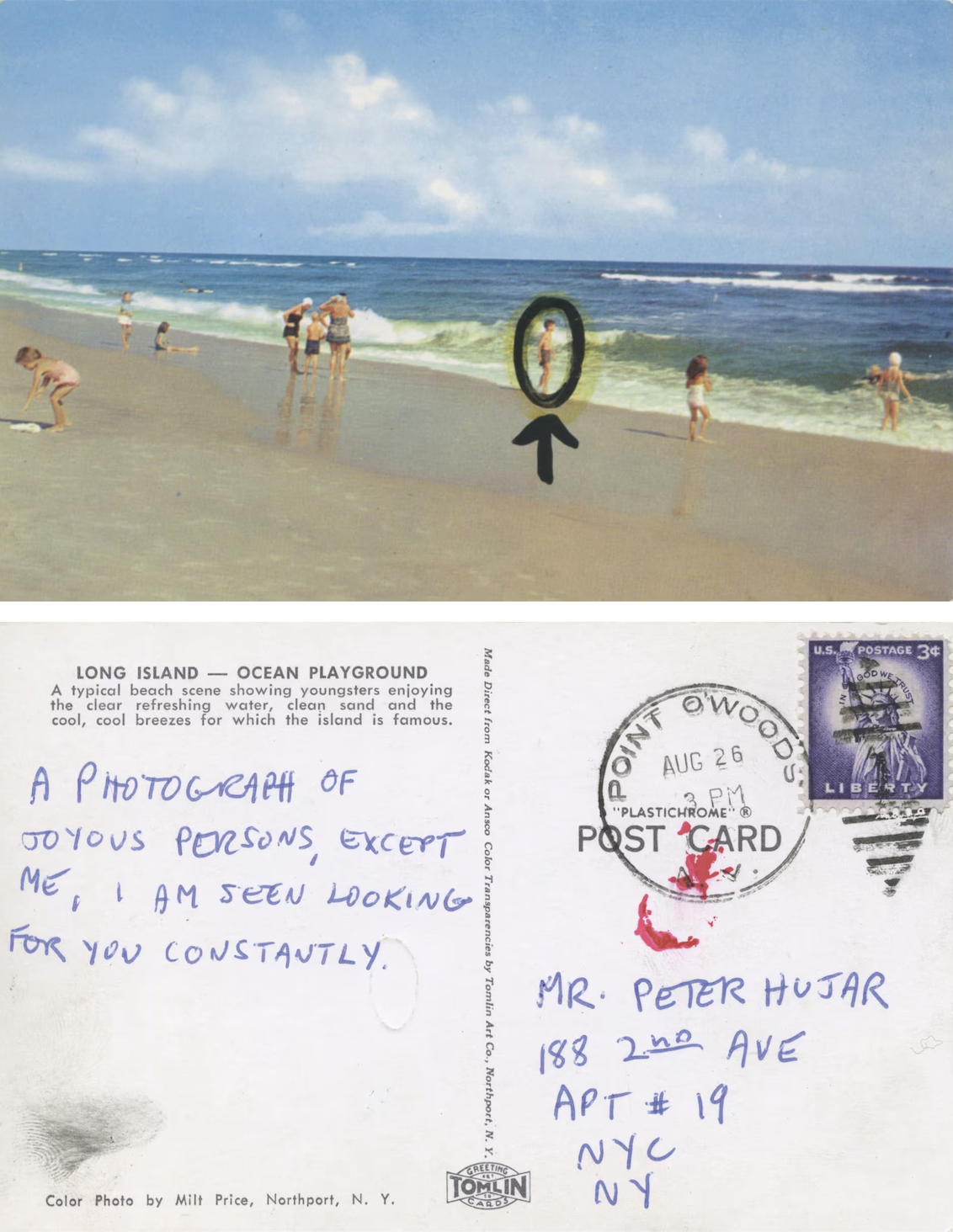
Postcard from Paul Thek to Peter Hujar, August 1960. Courtesy of Primary Information. © 2025 The Peter Hujar Archive / Artists Rights Society (ARS), New York
Read more by Joanna Lucaciu here, jo.readsalot
CONTRIBUTE
hello@pagesstudio.net
All over the show.
Access
A COLUMN, VOL. 2