
ACCESS, VOL.4
Written by Pages Editorial.
For a while I have thought about the idea of access.
Access to culture, to connection.
In volume 4, we’re in deep. A conversation between Japanese novelist Haruki Murakami and Harry Styles graces the internet via runners world.com, how strange and wonderful. Jonathan Andersons’s Tuileries chair Dior invites bring new hope, as well as a notable read and collection of artwork for good measure.
Your access, weekly.
HARRY STYLES AND HARUKI MURAKAMI, A conversation on Runners World
Creative Director: Molly Hawkins; Produced by: Someday Studio; Executive Producer: Andrew Gallo; Executive Producer: Wyatt Whitaker; Wardrobe Stylist: Harry Lambert; Makeup Artist: Carol Dotti; Hair Stylist: Candice Birns; Set Designer: Kelly Infield; Full Stop Management: Jeffrey Azoff, Tommy Bruce, Tom Skoglund; Hand Printing: Lloyd Ramos; Post Production: Imagine.
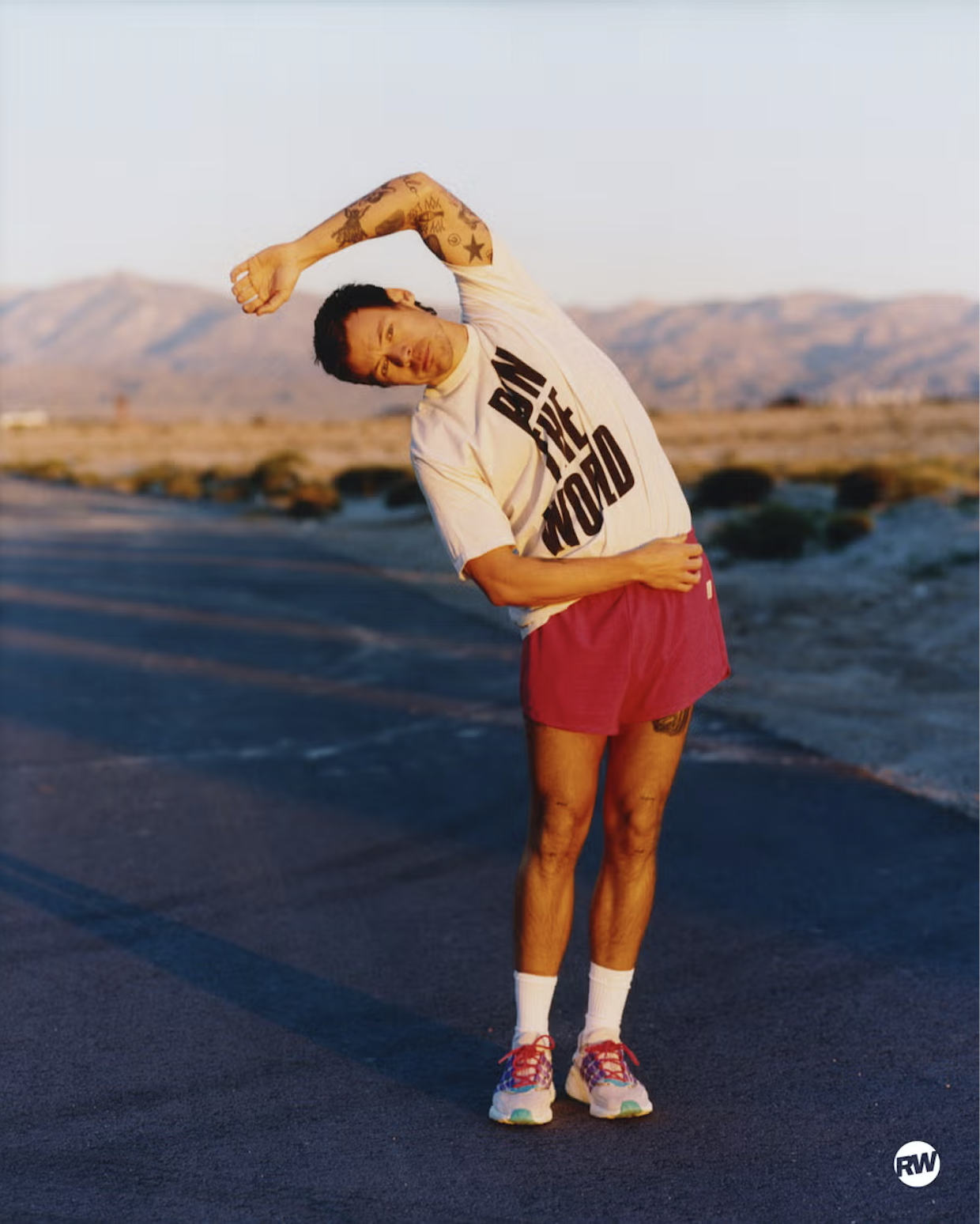
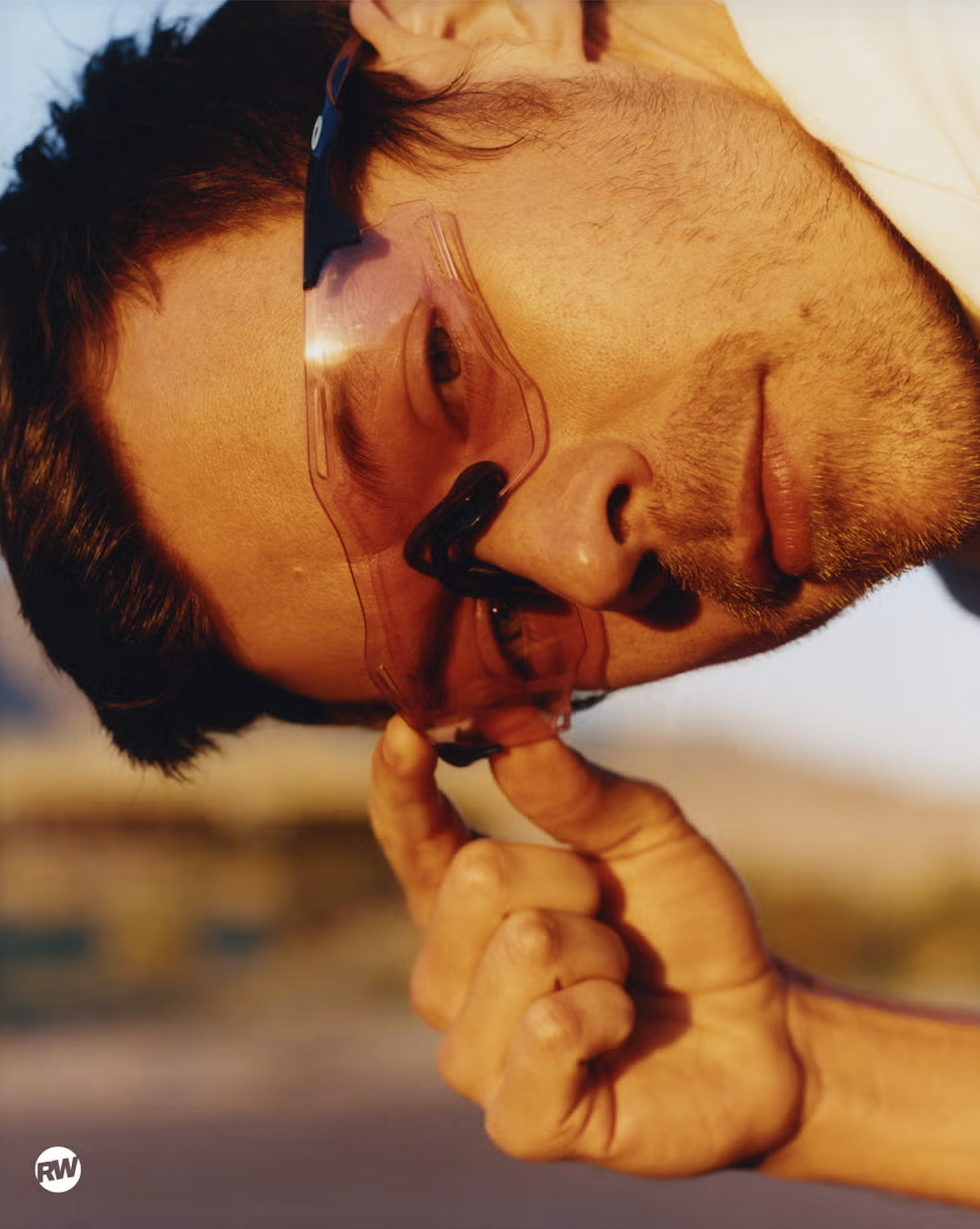
Harry Styles' favourite Murakami book is about solitude. Make of that what you will. Runners World brings together Murakami, seasoned marathon runner and ascetic novelist and Harry Styles, a man who has been in the public eye since he was sixteen. An unusual pairing, the two discuss discipline, possessiveness in creation and sublimating contradiction into art. To read the full article, visit runnersworld.com.
‘The thing that I’ve found, in the rest of my life but particularly in running, is the idea of trusting myself to do exactly what I say I’m going to do.'
To say to myself, I know that you can do something difficult, and that you can get up and train when you don’t want to train, and that you’re able to push through hard things.
Having that kind of self-integrity—no one can run a marathon for you. Whereas there are a lot of people who help me make music, put the music out, put on a show and make me look good at it! But running is a conversation with myself.’
JONATHAN ANDERSON’S DIOR INVITE, TUESDAY 3RD, PARIS 2:30PM.
Seat's Taken. Dior's invite for its AW25 Tuileries show arrived as a pair of miniature park chairs. The iconic green ones, lacquered to a squeak, barely bigger than a thumb. Nestled in a grey presentation box with a monogrammed card, offensively charming.
Small objects that carry weight. A+ for dioramas, adore you even more Jonathan.
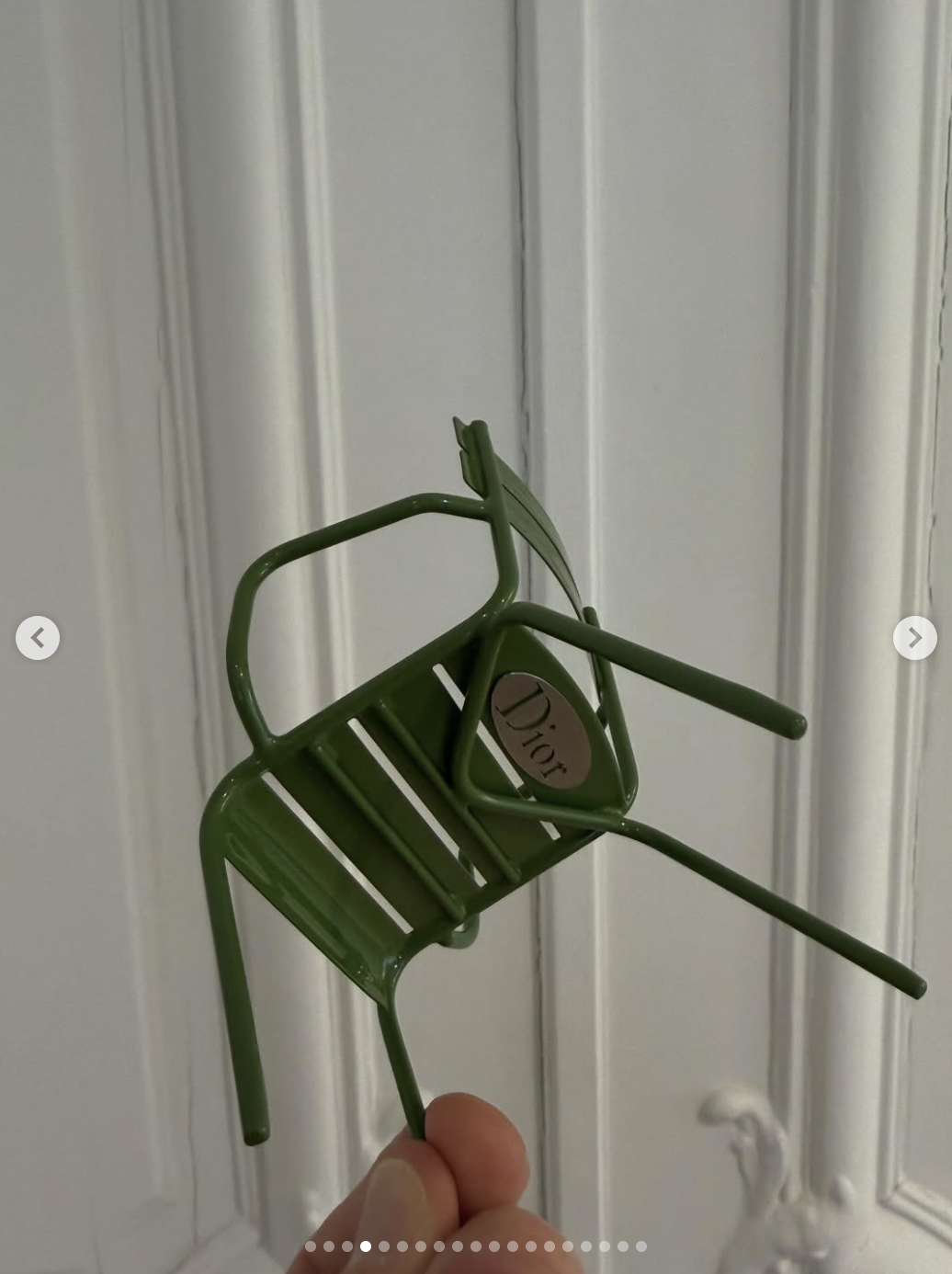
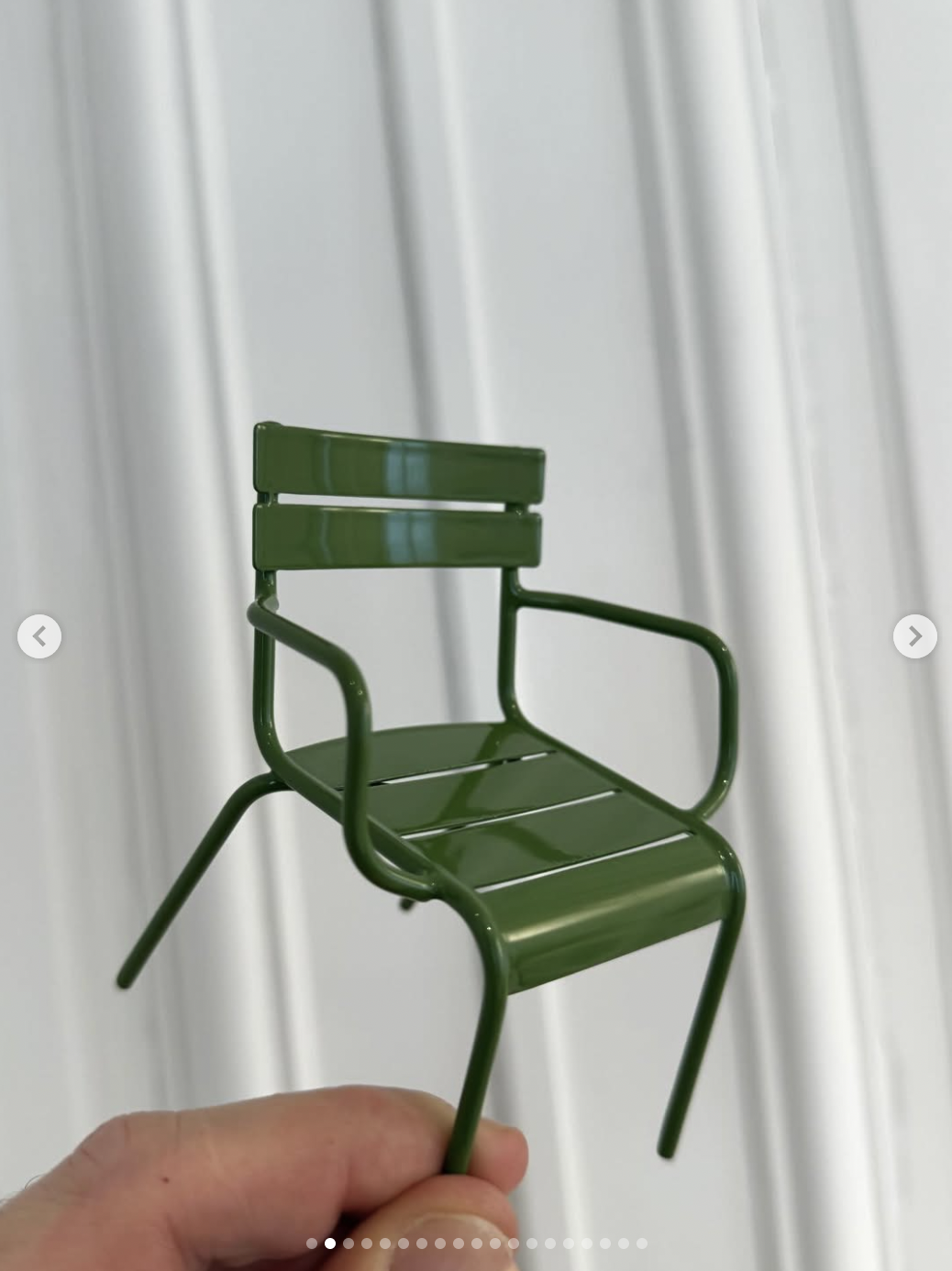
Image via @jonathan.anderson
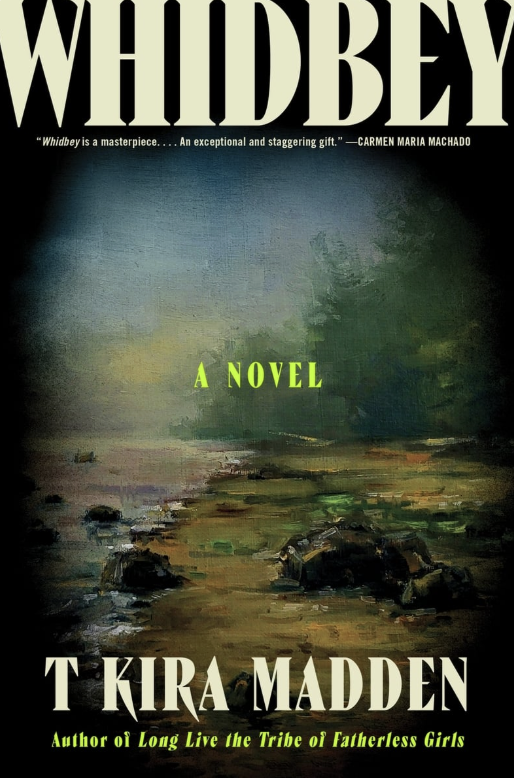
WHIDBEY BY T KIRA MĀHEALANI MADDEN
Published this month to expectant readers, Whidbey is a portrait of three women whose lives are bound together by one man and by the aftermath of his murder.
At its centre is Birdie Chang, a woman fleeing the headlines and the resurfacing of Calvin Boyer, the man who abused her as a child. On a ferry to Whidbey Island, she is approached by a stranger with a proposition, a sinister plan for revenge. But Birdie is not alone in her pain. Linzie King, a former reality TV star, has just published a bestselling memoir detailing her own experiences with the same man. Though the two women have never met, their stories are deeply intertwined. And then Calvin's devoted mother, Mary-Beth, receives a call from the police: her only son has been murdered, setting each woman on a desperate search for answers.
Madden, a diasporic Kanaka 'Ōiwi author previously celebrated for her memoir Long Live the Tribe of Fatherless Girls, makes a seamless and stunning leap into fiction. At its heart, Whidbey is a book about revenge, the revenge fantasy, the carceral system, and female rage. It never reduces its characters to symbols. Each woman is rendered with fierce, unsparing empathy.
Booklist praised its structure, unfolding in three parts, with a final act delivering context and revelations readers didn't know they were waiting for, and noted that it's neither a revenge story nor a moralising one, but an absorbing novel of real-feeling people attempting to live through incomprehensible violence.
Whidbey is a rare debut that reads with the confidence and control of a seasoned novelist.
THE ART OF CY TWOMBLY
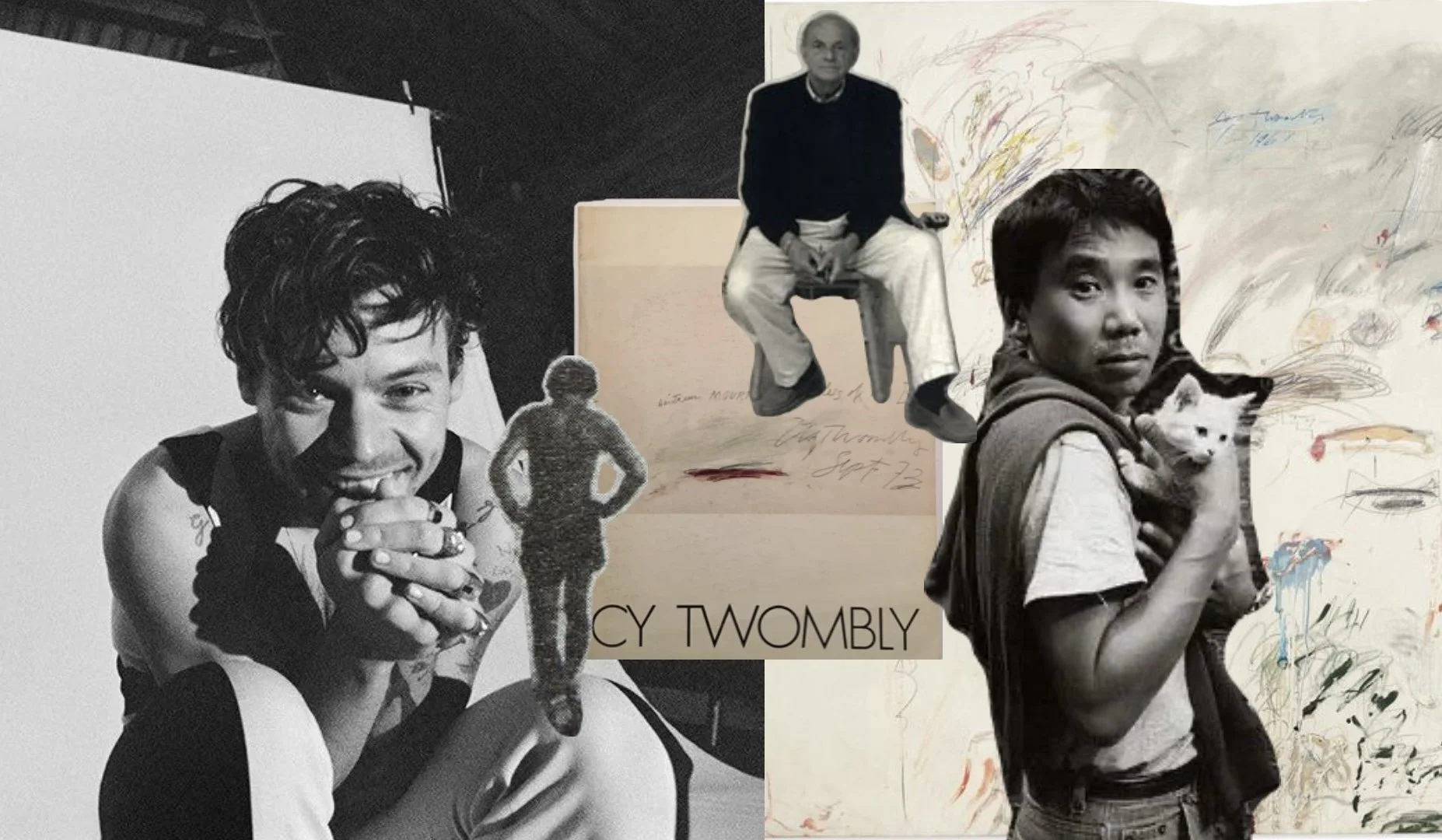
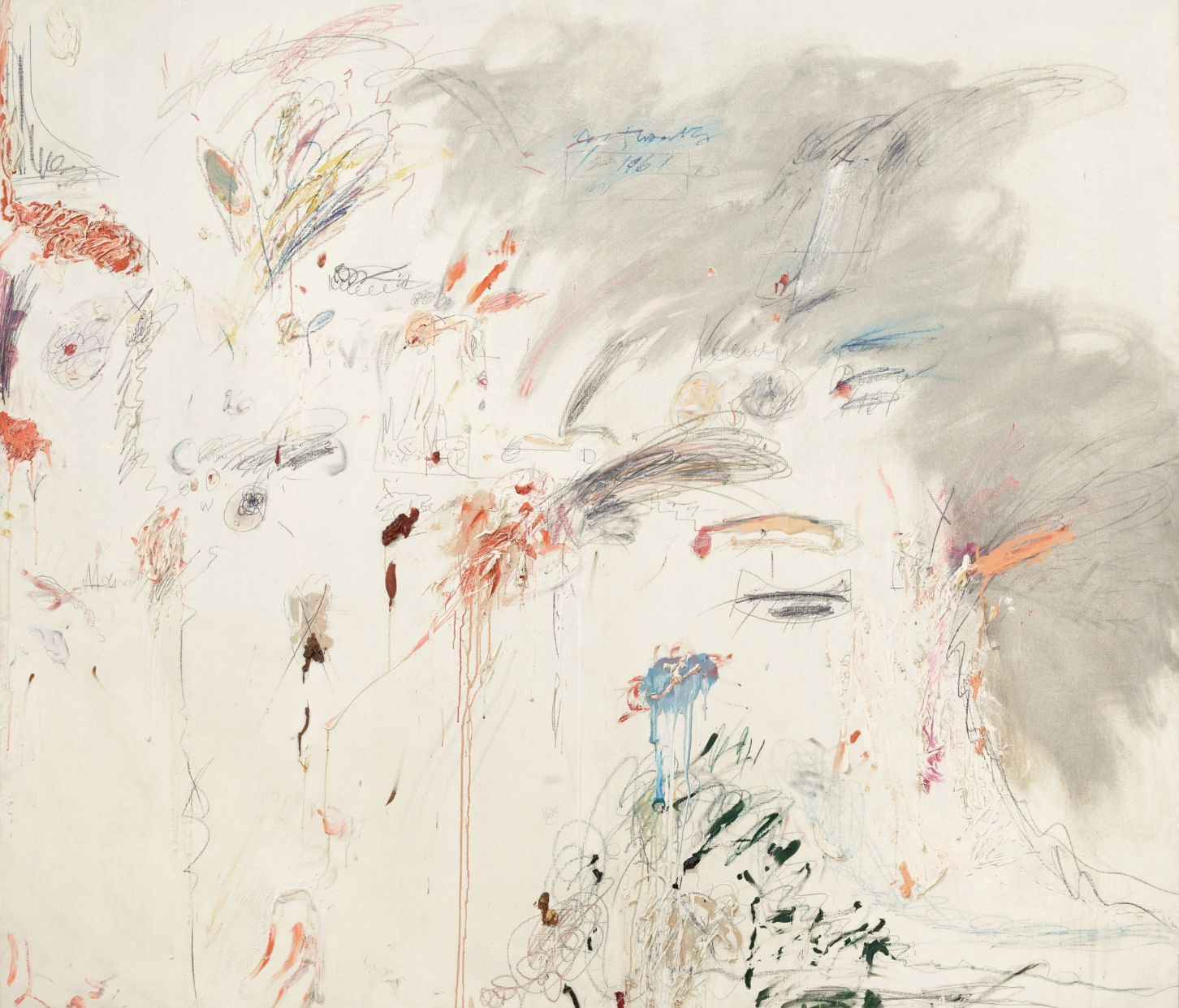
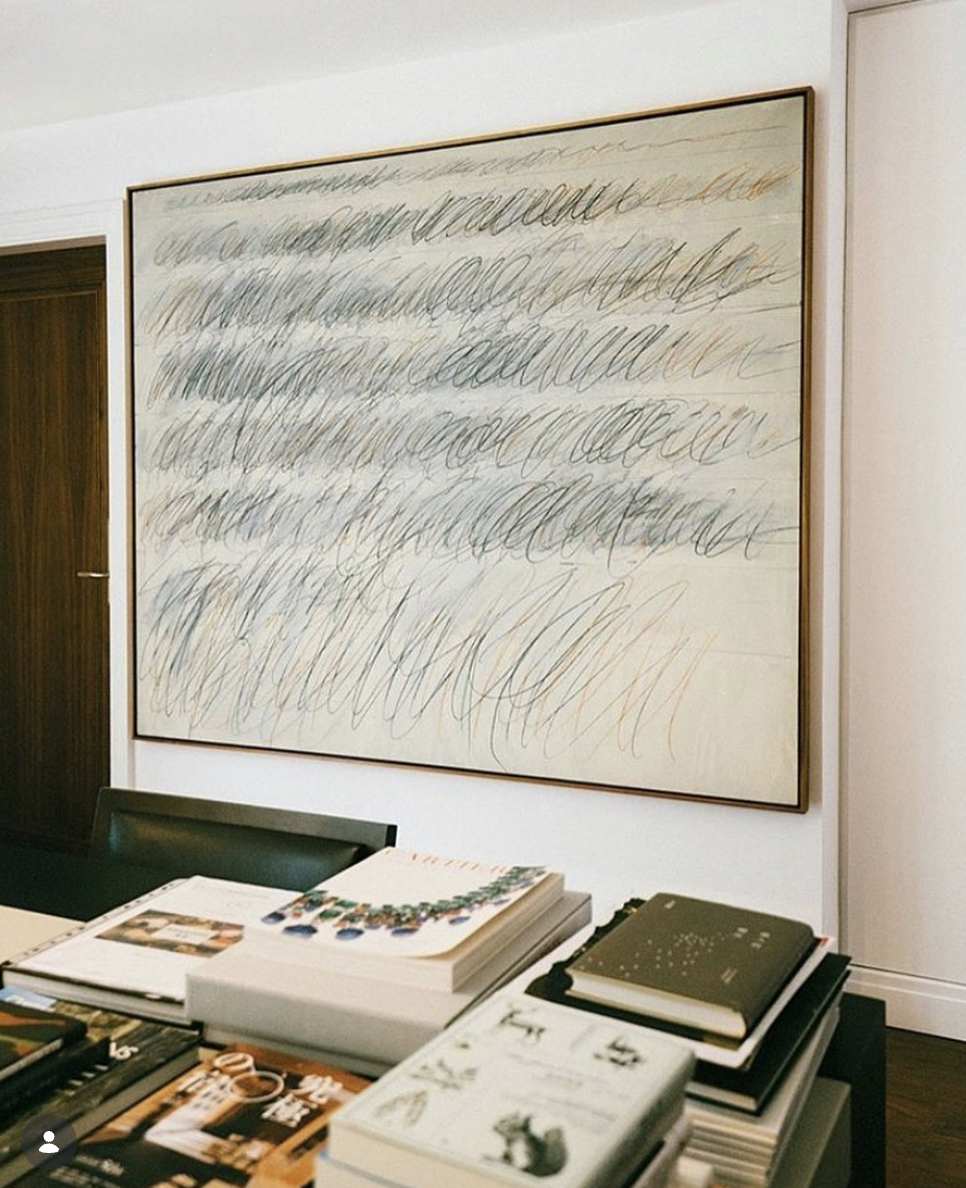
Together with Rauschenberg and Jasper Johns, Cy is regarded as the most important representative of a generation of artists who distanced themselves from Abstract Expressionism. And yet he resisted every category applied to him. His best-known works are typically large-scale, freely-scribbled, calligraphic and graffiti-like works on solid fields of mostly gray, tan, or off-white colours. His later paintings and works on paper shifted toward "romantic symbolism", and their titles can be interpreted visually through shapes and forms and words. Twombly often quoted poets such as Stéphane Mallarmé, Rainer Maria Rilke, and John Keats, as well as classical myths and allegories, in his works.
His path to that singular vision was deliberate and deeply rooted. Upon Robert Rauschenberg's encouragement, Twombly joined him for the 1951–2 sessions at Black Mountain College near Asheville, North Carolina, a liberal refuge, a site of free experimentation and exchange in a nation growing increasingly conservative during the Cold War. Among the influential teachers present at this time were Charles Olson, Franz Kline, Robert Motherwell and John Cage. Then, in 1957, having built a bridge of connections with Italian artists, Twombly left for Italy, where he would remain for the most part. He established a studio in Rome overlooking the Colosseum.
It was in Italy that Twombly's mature language truly crystallised. As he described his own process in his sole published statement on his work: "Each line is now the actual experience with its own innate history. It does not illustrate, it is the sensation of its own realisation." Scholar Katharina Schmidt, writing in the catalogue for the 2011 Dulwich exhibition, captured the full scope of this ambition: "Cy Twombly's work can be understood as one vast engagement with cultural memory. His paintings, drawings and sculptures on mythological subjects have come to form a significant part of that memory... His special medium is writing. Starting out from purely graphic marks, he developed a kind of meta-script in which abbreviated signs, hatchings, loops, numbers and the simplest of pictographs spread throughout the picture plane in a process of incessant movement, repeatedly subverted by erasures."
He was not without his detractors. In a 1994 retrospective, curator Kirk Varnedoe described Twombly's work as "influential among artists, discomfiting to many critics and truculently difficult not just for a broad public, but for sophisticated initiates of postwar art as well." Writing in Artforum, Travis Jeppesen went further, declaring Twombly to be "the greatest American painter of the twentieth century, and the greatest painter after Picasso, period."
Lingering at the threshold between word and image, Twombly rendered visible those things, experience, emotion, the body's share, that lie beyond the reach of verbal articulation. To stand before a Twombly is to feel the full weight of Western civilisation as living sensation.
Cy Twombly (1928–2011) is represented in permanent collections worldwide, including the Tate Modern, London, MoMA, New York, and the Menil Collection, Houston.
To contribute to pagesstudio.net, contact us hello@pagesstudio.net
Smith’s Shortlist
Your favourites’favourite books.

La Piscine
SARTORIAL ANALYSIS BY ANASA FRASER

Coppola
SHORTLIST
CONTRIBUTE
hello@pagesstudio.net
All over the show.